Dana Kendall

General Manager, AbbVie Ireland

Future-Proofing Life Sciences: Why Competitiveness Matters Now More Than Ever
As the General Manager of AbbVie Ireland and as an American who now calls Ireland home, I have the privilege of witnessing firsthand the unique strengths that both the US and Ireland bring to the global life sciences sector. Ireland, with its world-class talent and vibrant pharmaceutical ecosystem, stands as a leader in manufacturing and in delivering innovation that improves lives worldwide.
However, as the landscape evolves, it has never been more important for Ireland to maintain its competitiveness economically and to ensure patients in Ireland have access to the innovative medicines that are manufactured here.
To be truly competitive, Ireland needs to increase investment in innovative medicines, continue to play a pivotal role in advocating for the strengthening of IP in the European Union, and make the process for getting new medicines to patients faster and more transparent.
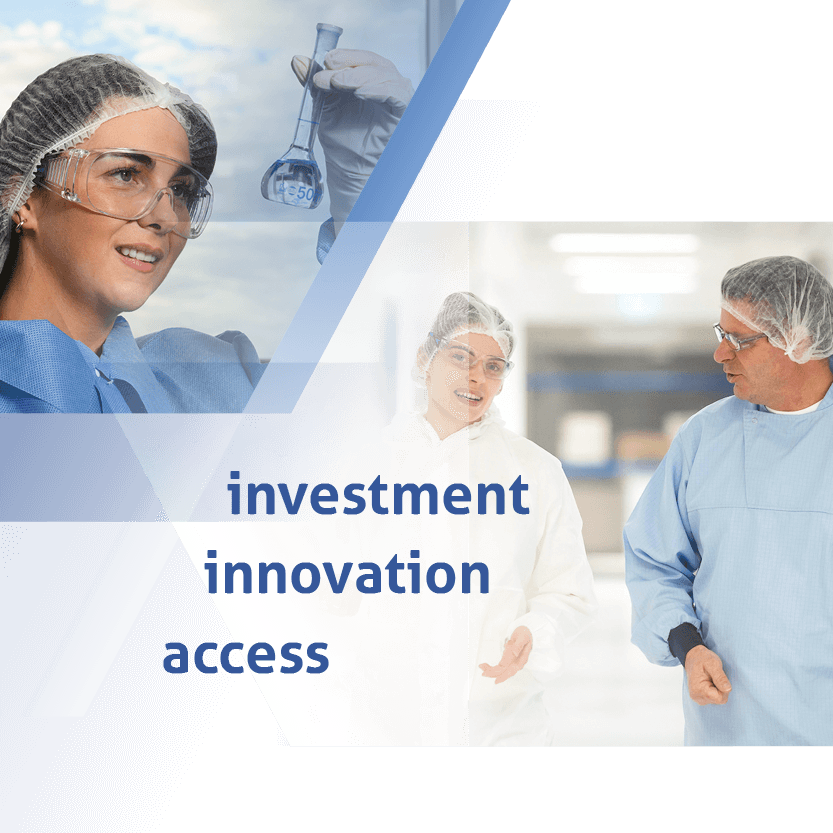
I am encouraged by recent policy actions that demonstrate a longer-term strategic view for the Irish life sciences sector. In particular, the inclusion of the Life Sciences in the publication of the Programme for Government that sets out specific commitments including the National Life Sciences Strategy, greater support for digital transformation with full digitalisation of healthcare records, and a promise to increase the number of clinical trials to name a few. Success will require close collaboration between industry and the State to achieve these goals, providing a significant opportunity for Ireland to lead and influence innovation in life sciences.
We can’t become complacent as recent trends add urgency. In Ireland, the average time for patients to access new medicines is 645 days which is significantly higher than the European average of 578 days (1). Additionally, Ireland has the lowest rate of availability for new cancer medicines in Western Europe, with just a quarter of 56 European Medicines Agency approved oncology drugs since 2020 available to patients. This gap is particularly concerning as cancer is projected to become the leading cause of death in Europe by 2035 (2).
What can be done to safeguard our future? Ireland must double down on proven approaches and foster an environment where innovation thrives. That means ensuring regulatory predictability, rewarding innovation that addresses patient needs, and strengthening the talent and skills needed to keep pace with evolving technologies. For example, the Expert Group on Future Skills Needs estimates that there is an average annual shortfall of 3,000 STEM graduates in the Irish Pharma sector without targeted Government intervention. A range of actions are needed to address these challenges. When executed well, these principles serve both patients and our economies, reinforcing Ireland’s role as a gateway for US companies and as a beacon for global pharmaceutical excellence.
Competitiveness is a shared responsibility that requires all stakeholders to collaborate to lift standards and create sustainable value. In AbbVie, we believe that by partnering together, the US, Ireland, and Europe can build a life sciences ecosystem that continues to deliver remarkable discoveries that benefit patients today and for decades to come.
(1) EFPIA Patients W.A.I.T Indicator 2024 Survey
(2) Manzano A., Svedman C., Hofmarcher T., Wilking N. Comparator Report on Cancer in Europe 2025 – Disease Burden, Costs and Access to Medicines and Molecular Diagnostics. EFPIA, 2025. [IHE REPORT 2025:2, page 20]